
Cosa ci insegna la cultura sul gioco d'azzardo
04/05/2026Best Non-GamStop Casino Sites UK Casinos Not on GamStop 2026.14035
04/05/2026
The historical evolution of gambling A journey through time
The Origins of Gambling
The origins of gambling can be traced back to ancient civilizations, where games of chance were not just a form of entertainment, but also served significant cultural and social purposes. Archaeological evidence suggests that as far back as 3000 BC, the Chinese were using rudimentary forms of dice made from animal bones. Meanwhile, in ancient Rome, public gambling was prevalent, and evidence points to a variety of games, including those played with dice and betting on gladiatorial contests. These early forms of gambling laid the groundwork for what would evolve into more structured and commercialized versions over time, and today, platforms like paripulse are continuing that legacy.
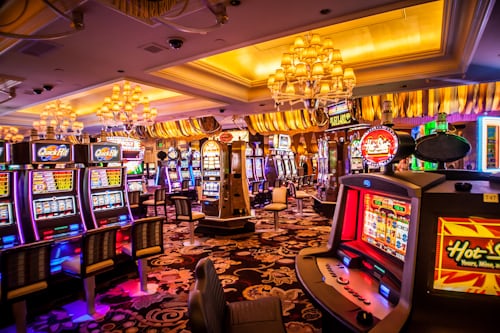
The first known gambling house, or casino, dates back to the 1638 in Venice, Italy, where it was referred to as the Ridotto. This establishment was the first legal gambling venue, offering a variety of games including faro, a card game that became incredibly popular among the Venetian elite. The Ridotto was not just a place to gamble; it was a social hub where the upper classes could mingle, enjoy entertainment, and indulge in luxury. This marked the transition from informal gambling to a more organized sector within society.
As gambling spread across Europe, the establishment of formal betting houses became more common. The French played a significant role in shaping modern gambling by popularizing games such as roulette and baccarat during the 18th century. These games emphasized not just luck but also strategy and skill, which added an intellectual component to gambling. The period marked a significant evolution as it transformed gambling from simple pastimes into a sophisticated leisure activity.
The Rise of Casinos in the Modern Era
The 19th century marked a revolutionary phase for gambling with the emergence of casinos as we know them today. With the opening of the first modern casino in Monte Carlo in 1863, gambling began to attract a broader audience, shifting from the exclusive circles of the wealthy to the general public. This establishment introduced lavish decor, entertainment, and an assortment of games that appealed to a wider demographic, contributing to its success. The allure of glamour and excitement turned casinos into iconic entertainment hubs.
In the United States, gambling became more mainstream with the Gold Rush, leading to the establishment of gaming venues in cities like New Orleans and San Francisco. The introduction of slot machines in the late 19th century further fueled the popularity of gambling. These machines provided a simple and exciting way for people to engage with gambling, removing the need for complex strategies that traditional games often required. By the early 20th century, gambling had evolved into a multi-faceted industry that included diverse games of chance.
As gambling became more popular, regulation and legislation began to take shape. Different states in the U.S. started to legalize gambling in a bid to boost their economies. Nevada, with the establishment of Las Vegas, became the epicenter of gambling in America by the 1940s, showcasing extravagant casinos that offered not only gaming but also world-class entertainment. This evolution highlighted the shift in perception of gambling from a vice to an acceptable form of entertainment and economic stimulation.
The Impact of Technology on Gambling
The late 20th and early 21st centuries ushered in a technological revolution that transformed the gambling industry. With the advent of the internet, online gambling became a reality, providing unprecedented access to games from the comfort of one’s home. The first online casinos emerged in the mid-1990s, enabling players to engage in various games without the need to visit physical establishments. This significant shift not only made gambling more accessible but also attracted a new demographic of players.
Advancements in technology also led to the development of mobile gaming, which has become a significant trend in the gambling industry. Players can now place bets and play their favorite games anytime and anywhere using smartphones and tablets. This convenience has revolutionized the gambling experience, allowing for real-time betting and live dealer games that enhance the interactivity and engagement for players.
The rise of cryptocurrencies has added another layer of innovation to online gambling. Many online casinos now accept digital currencies, allowing for anonymous transactions and increased security. This trend has attracted a tech-savvy audience and has prompted many traditional casinos to adapt and incorporate these technologies to stay relevant in a rapidly evolving market. The intersection of gambling and technology continues to shape the future of the industry in unprecedented ways.
Gambling Around the World
Gambling practices and regulations vary significantly across cultures and nations. In countries like China, traditional forms of gambling are deeply rooted in cultural practices, especially during festivals and family gatherings. Games like Mahjong hold substantial importance in Chinese society, showcasing how gambling intertwines with social customs. Conversely, in countries such as Singapore, strict regulations govern gambling to control its prevalence and mitigate potential social issues.
In Europe, countries like the United Kingdom and Italy have embraced gambling as a form of entertainment, with numerous legal casinos and betting shops available. The British betting industry is particularly robust, with various sports betting options and high street betting shops that attract a diverse clientele. The integration of gambling into popular culture in these countries showcases its acceptance and normalization, whereas nations with strict anti-gambling laws often see underground gambling activities flourish.
The impact of globalization has also influenced gambling trends, resulting in the sharing of games and practices across borders. Online platforms have further blurred the lines of geographical restrictions, enabling players from different backgrounds to engage in various gaming experiences. This cross-cultural exchange enriches the global gambling landscape, fostering a diverse community of players who appreciate both traditional and modern gaming practices.

Discovering PariPulse UZ
As the gambling industry continues to evolve, platforms like PariPulse UZ are at the forefront of providing an exceptional online gaming experience. Launched in 2023 and licensed by the Curaçao Gaming Authority, PariPulse UZ offers an impressive selection of over 7,000 games from more than 125 top providers. The extensive variety ensures that players have access to the latest and most popular games, enhancing their overall experience.
PariPulse UZ is dedicated to providing a seamless and secure gaming environment. With 48 payment methods available, including cryptocurrencies, players can enjoy hassle-free transactions. The platform’s commitment to customer satisfaction is evident through its 24/7 customer support, ready to assist players at any time. Additionally, the generous welcome bonuses offered by PariPulse UZ invite new players to explore the exciting world of online gaming.
Join PariPulse UZ today to experience an extraordinary blend of entertainment, security, and convenience. Whether you are a seasoned player or a newcomer, the platform caters to every gaming preference, making it a premier destination for online gambling enthusiasts in Uzbekistan and beyond. Engage in thrilling games, explore promotions, and immerse yourself in a vibrant gaming community that PariPulse UZ has to offer.